Your Next Competitive Advantage Isn’t Data – It’s Judgment
Issue #19 | March 2026
Hello Reader,
Most leaders are asking: “How can AI do my work faster?”
The better question is: “How can AI help me think better?”
Meet Vivek, CEO of a growing distribution business.
His days were filled with decisions, pricing changes, supplier negotiations, hiring choices, market expansions.
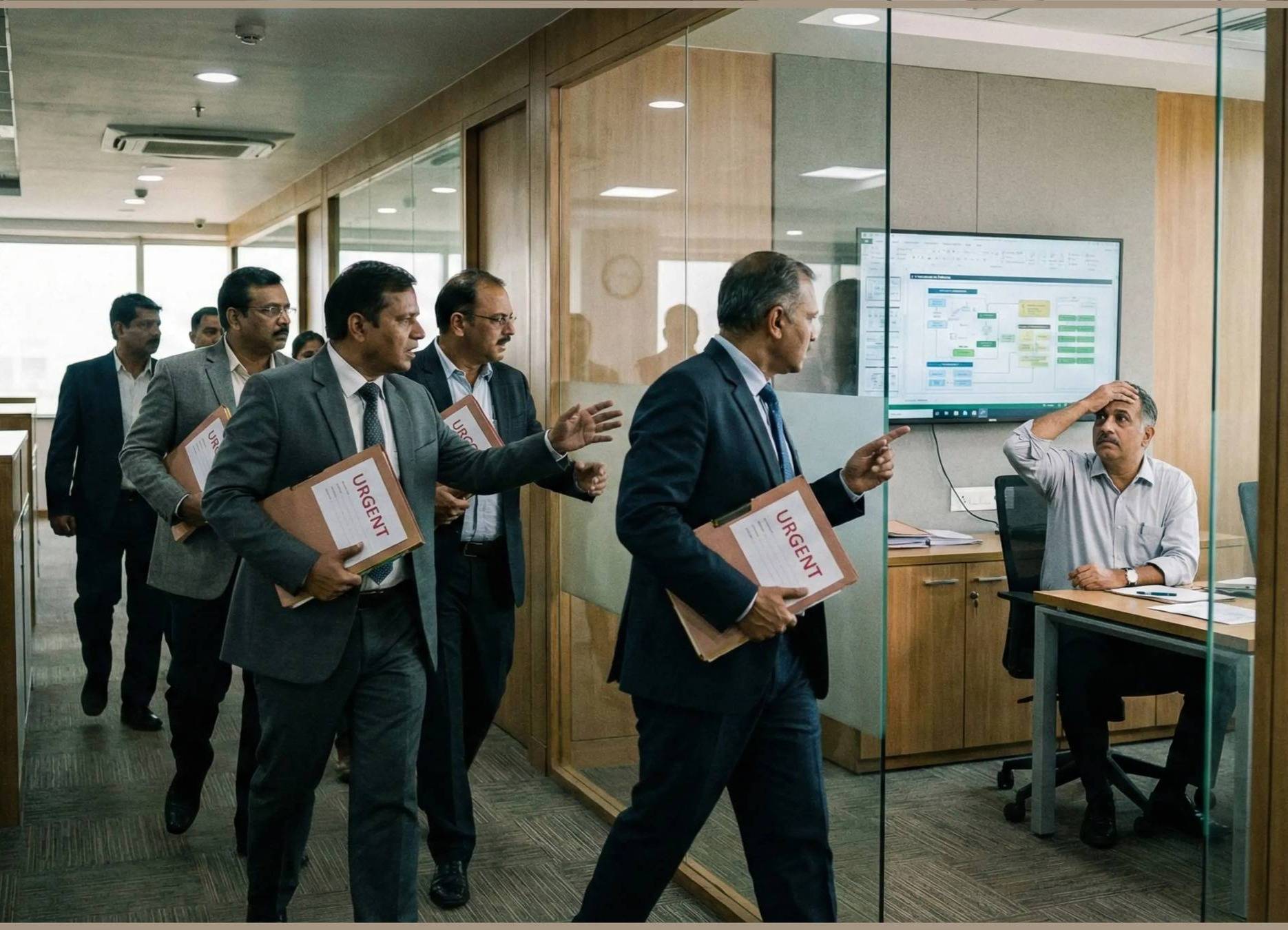
He didn’t lack data. He was drowning in it.
Reports, dashboards, analysis, opinions and everyone had inputs. Yet decisions still felt heavy.
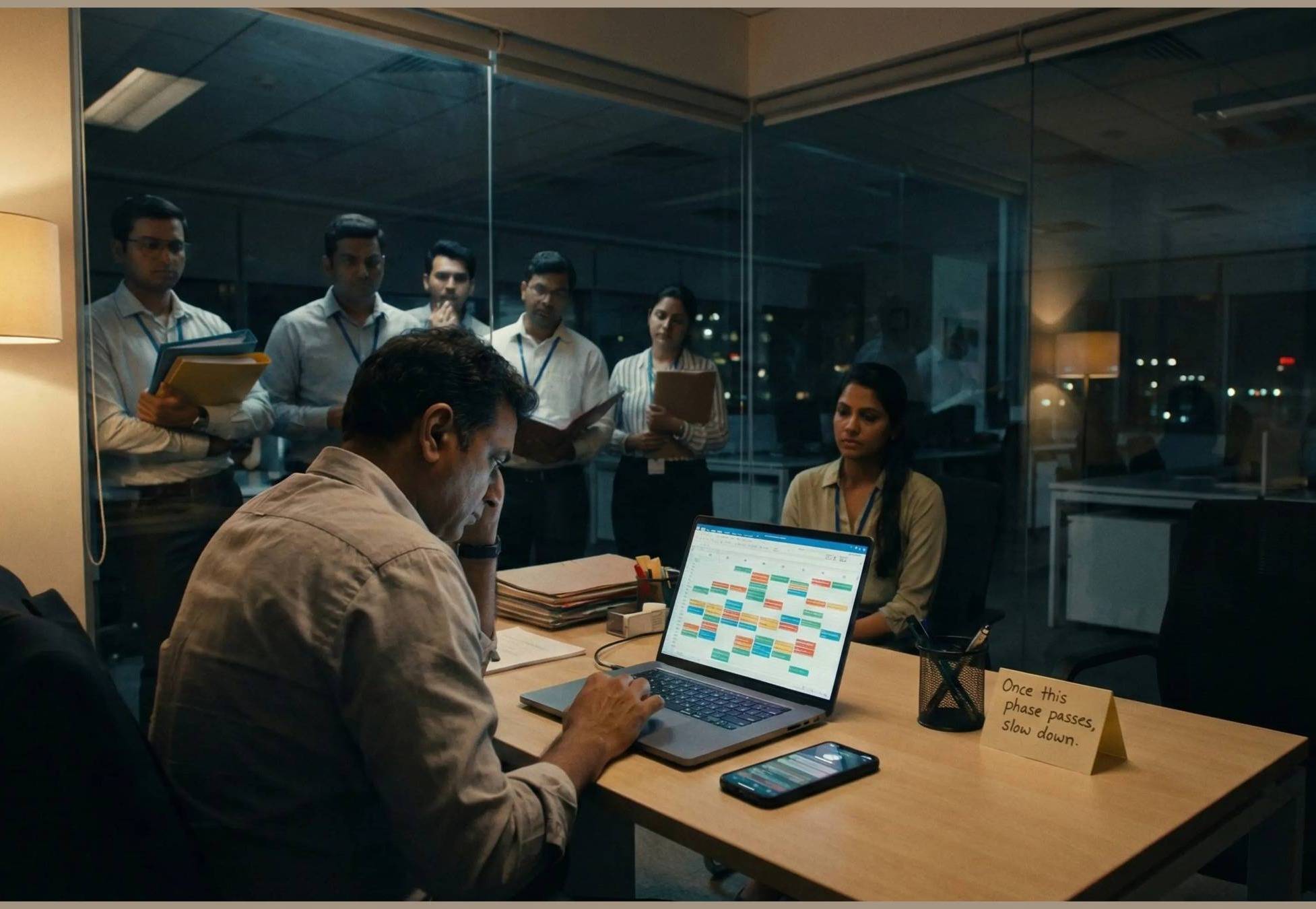
Vivek’s flaw wasn’t indecision. It was believing more information would automatically create clarity.
Surrounded by information. Starved of insight.
During a leadership program, Vivek heard a statement that reframed everything:
“Technology won’t replace leaders. Leaders using technology will replace leaders who don’t.”
Instead of using AI for emails and summaries, he began using it for thinking support:
Scenario simulation
Assumption testing
Argument challenging
Decision preparation
AI became not a shortcut but a sparring partner.
Vivek changed how he approached decisions.
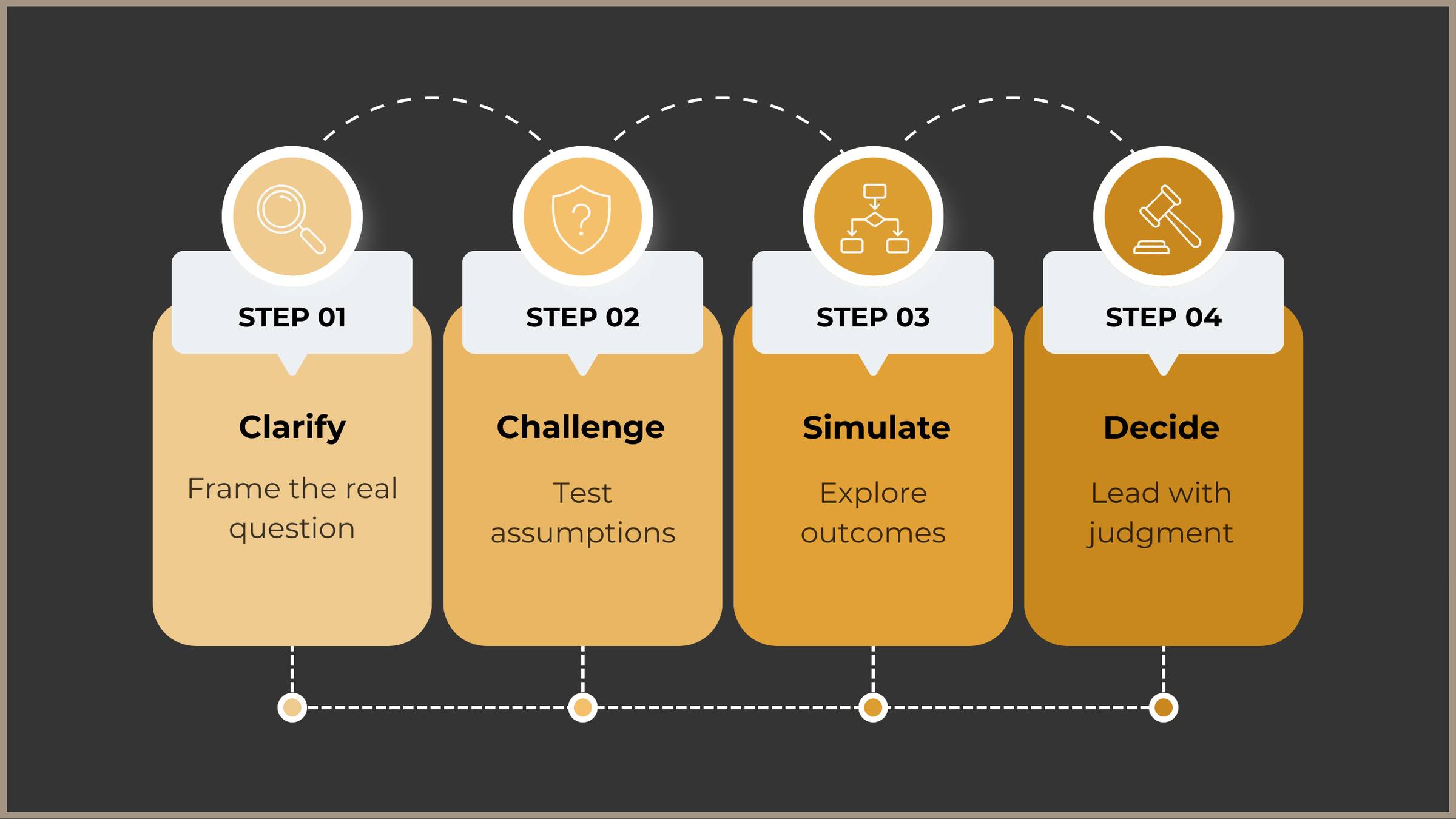
Before every major decision, he would:
Map his assumptions
Ask AI to challenge his reasoning
Explore second-order consequences
Prepare alternative paths
His confidence improved. Meetings became sharper. The organization began moving faster not because work was automated, but because judgment improved.
He realized:
AI didn’t replace his leadership. It expanded it.
🧩 Our Solution: The Augmented Leadership Loop
AI doesn’t replace judgment. It sharpens it.
Message: AI is not a productivity tool. It is a thinking multiplier.
Leaders who use AI only to write faster will save minutes. Leaders who use AI to think better will shape the future.
Previous Newsletters:
When Everything Escalates to You, Governance Is Missing
Issue #18 | February 2026 Hello Reader, When a business depends on people behaving well, it will eventually disappoint. Mature organizations don’t rely on goodwill….
Issue #17 | February 2026 Hello Reader, Most leaders don’t burn out because they work too hard. They burn out because everything depends on them all the time.